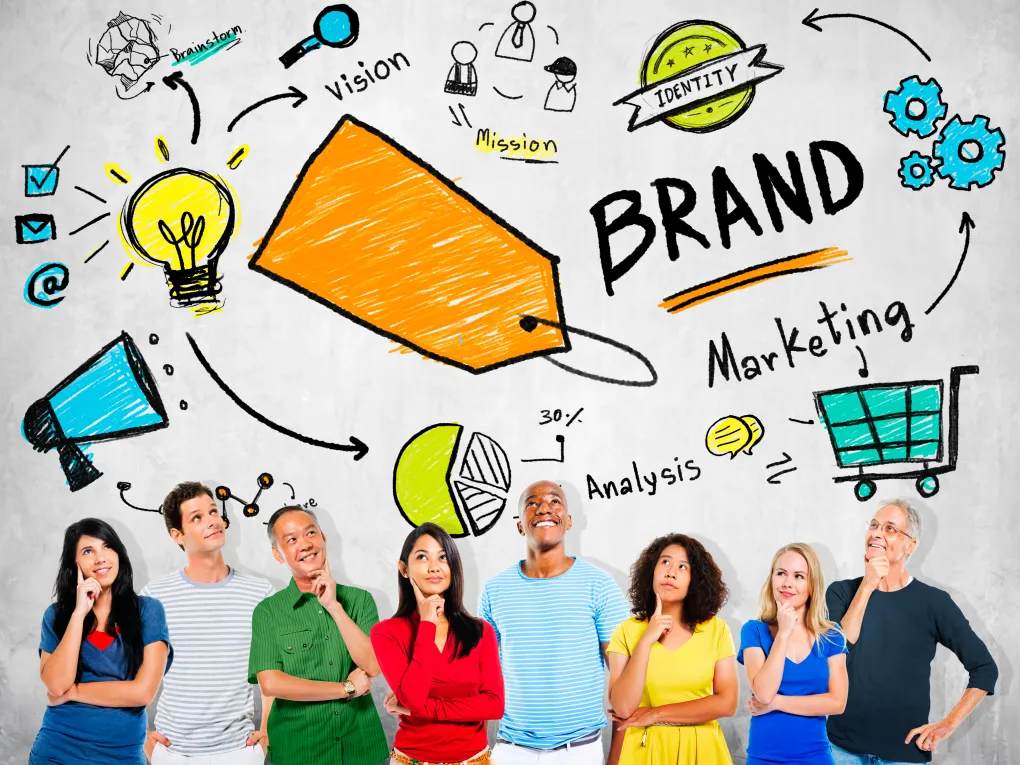







Your website is beautiful. Your logo is clean. Your Instagram grid is perfectly curated.
But when people land on your page, they leave confused.
Because great design without clear brand messaging is just pretty noise.
I’ve worked with hundreds of creatives and coaches who built stunning brands that didn’t convert. The problem was never the visuals. It was the words, the clarity, the core message that makes someone think “this is exactly what I need.”
Brand messaging is the invisible architecture behind everything you say. It’s what turns casual scrollers into paying clients. It’s what makes people remember you six months after they first heard your name.
And most people get it completely wrong.

Embody your true Brand Archetype and 10x your biz
What Is Brand Messaging?
Brand messaging is the consistent story you tell about who you are, what you do, and why it matters.
It’s not your tagline. It’s not your bio. It’s the foundation underneath all of that.
Think of it this way: your brand messaging is your point of view distilled into language that sticks. It shapes every caption, every sales page, every conversation with a potential client. When done right, people can recognize your voice before they even see your name.
Most brands sound the same because they skip this step. They copy competitors, use industry jargon, and wonder why nothing lands.
Your brand messaging should make your ideal client feel seen, understood, and ready to say yes.

Why Brand Messaging Matters More Than Ever
We’re drowning in content.
Everyone has a website, a newsletter, a podcast. AI can generate a thousand blog posts in an hour. The only thing that cuts through is a clear, distinct point of view.
Your brand messaging is the only competitive advantage AI can’t replicate.
Anyone can copy your offer. Your prices. Your content format. But they can’t copy the way you see the world or the specific transformation you provide based on your lived experience.
I’ve seen businesses double their conversion rates just by clarifying their message. Not changing their service. Not redesigning their site. Just saying what they do in a way that actually resonates.
When your messaging is sharp, everything else gets easier. Your content writes itself. Your sales calls feel natural. You attract people who already get it.

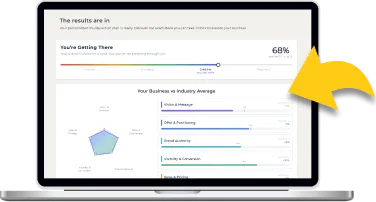
You’re Closer to Premium Clients Than You Think
See what’s costing you premium clients (takes 3 min)
The Brand Messaging Framework That Actually Works
Most brand messaging frameworks are overcomplicated.
They ask you to fill out thirty boxes in a workbook and you end up more confused than when you started.
Here’s what actually matters:
1. Who you’re for (and who you’re not for)
Get specific. “Entrepreneurs” is not specific. “Burnt-out coaches who built six-figure businesses they secretly hate” is specific.
The more you polarize, the more you magnetize.
2. The problem you solve
Not the surface problem. The real one.
People don’t hire a brand strategist because they need a logo. They hire one because they feel invisible, inconsistent, or like an imposter every time they post.
3. Your unique approach
What do you believe that others in your industry don’t? What’s your method, your philosophy, your edge?
This is where most people play it safe. Don’t.
4. The transformation you deliver
Paint the picture of what life looks like after working with you. Make it tangible. Make it emotional.
5. Your brand voice and values
How do you say what you say? Are you direct or poetic? Witty or warm? This isn’t arbitrary. It should reflect who you actually are.
Your brand messaging strategy is simply this framework applied consistently across every touchpoint.
Brand Messaging Examples From Real Brands

Let me show you what this looks like in practice.
Example 1: A career coach
Before: “I help professionals reach their full potential and achieve career success.”
After: “I work with high-performers who are exceptional at their jobs and miserable in their lives. We fix that.”
See the difference? The second one has a point of view. It’s specific. It makes the right person feel called out in the best way.
Example 2: A web designer
Before: “I create beautiful, user-friendly websites for small businesses.”
After: “I build websites for therapists who are tired of explaining what they do. Your site should convert visitors into booked clients while you sleep.”
Specificity wins. Every time.
Example 3: A business coach
Before: “Helping entrepreneurs scale to seven figures with proven strategies.”
After: “For founders who want profit without the prison. I teach you to build a business that funds your life, not consumes it.”
This speaks to a specific frustration. It hints at a philosophy. It positions the coach as different from the “hustle harder” crowd.
Embody your true Brand Archetype and 10x your biz
The Biggest Brand Messaging Mistakes (And How to Avoid Them)
Trying to sound professional instead of human
Your clients don’t want corporate speak. They want to feel like you understand them. Write like you talk.
Using jargon or buzzwords
“Synergy.” “Disruption.” “Game-changer.” These words mean nothing. Be specific.
Making it about you instead of them
Your story matters, but only as it relates to their transformation. Lead with their problem, not your credentials.
Being vague to appeal to everyone
When you speak to everyone, you connect with no one. Niche down your message even if it feels scary.
Forgetting to actually say what you do
I see this constantly. Beautiful poetic captions that leave people thinking “okay but what do you actually offer?”
Clarity first. Creativity second.

Your story matters, but only as it relates to their transformation. Lead with their problem, not your credentials.
How to Build Your Brand Messaging (Step by Step)
Start with a brain dump.
Write down every transformation you’ve helped a client achieve. Every compliment you’ve received. Every “aha” moment from a discovery call.
Look for patterns. What do people say about working with you? What language do they use?
Then interview your best clients.
Ask them: What problem were you trying to solve when you found me? What made you choose me over others? How would you describe what I do to a friend?
Their words become your messaging. Not your clever copywriter brain. Theirs.
Next, define your brand messaging pillars.
These are the 3-5 core themes you’ll return to again and again. For me, it’s freedom, anti-branding, personal storytelling, and strategic rest.
Everything I write ties back to one of these.
Finally, create your core brand messaging documents.
This isn’t busywork. It’s your north star. Include:
Your one-sentence positioning statement Your brand story (why you do this work) Your key messages for each service Your value propositions Language to use (and avoid)
When you have this, content creation becomes ten times faster.
How Brand Messaging Shows Up Everywhere
Your brand messaging isn’t just for your website.
It’s in your Instagram bio. Your email welcome sequence. Your discovery call. Your proposals. Your podcast intro. Your LinkedIn headline.
Consistency builds trust. When someone hears the same core message across platforms, they start to believe it.
But consistency doesn’t mean repetition. It means your point of view stays steady while the expression changes.
Think of Apple. Their messaging has been “think different” in a thousand different ways for decades. You always know it’s them.
That’s what strong brand messaging creates.
Why Most DIY Brand Messaging Falls Flat

Here’s the truth: it’s hard to read the label from inside the jar.
You’re too close to your own work. What feels obvious to you is invisible to your audience. What feels unique to you is generic to them.
I’ve watched brilliant coaches spend months trying to nail their messaging and end up with something that sounds like everyone else.
Not because they’re not smart. Because they can’t see their own magic.
A good brand messaging strategist pulls out what’s already there. They mirror back your distinct point of view. They translate your brilliance into language that lands.
It’s not about creating something new. It’s about clarifying what’s true.
When to Invest in Professional Brand Messaging Services
If you’re just starting out, DIY it. Use the framework above. Get scrappy.
But if you’re established and still struggling to articulate what makes you different, it’s time.
If you’re pivoting and your old messaging doesn’t fit anymore, it’s time.
If you’re posting consistently and getting crickets, it’s time.
If you can’t explain what you do in one sentence without rambling for five minutes, it’s time.
At InnerLight, we help creatives and coaches distill their essence into brand messaging that actually converts. Not through templates or formulas, but through deep-dive strategy sessions that uncover what makes you magnetic.
We build your brand messaging framework, write your core copy, and give you the language to show up confidently everywhere.
Because your story deserves to be heard. And your ideal clients deserve to find you.
Book a free clarity call and let’s turn your brilliance into words that work.
You’re Closer to Premium Clients Than You Think
See what’s costing you premium clients (takes 3 min)
Frequently Asked Questions
What is the difference between brand messaging and a tagline?
A tagline is one catchy line. Brand messaging is the entire system of how you communicate your value, beliefs, and transformation across all platforms. Your tagline might be part of your brand messaging, but messaging includes your positioning, core narratives, tone of voice, and key differentiators.
How often should I update my brand messaging?
Your core brand messaging should remain consistent for years. It’s your foundation. However, you should refine the expression of it every 1-2 years as you evolve, or whenever you pivot your services. The message stays steady, but the language can mature with you and your audience.
Can I have different brand messaging for different services?
You should have one overarching brand message with tailored sub-messages for each service. Think of it like branches on a tree. The trunk is your core positioning, and each service extends from that with specific language for specific audiences, but it all connects back to your main brand story.
Do I need to hire a brand messaging strategist or can I do it myself?
You can absolutely start with DIY brand messaging using frameworks and client feedback. However, a strategist provides outside perspective and can see your brilliance that you take for granted. If you’ve been stuck for months or your current messaging isn’t converting, professional help typically pays for itself quickly.
What makes brand messaging effective vs just sounding nice?
Effective brand messaging is specific, clear, and makes your ideal client feel understood immediately. Nice-sounding messaging is often vague, uses generic language, and could apply to anyone in your industry. Test your messaging: if you can swap your name with a competitor’s and it still works, it’s not specific enough.

Michele Zangrandi
Founder at Inner Light Digital
Sold my agency to follow my passion. Now I help leaders build magnetic personal brands that attract dream clients without chasing or selling.
Follow me


Get some more inspiring content
Get some more
inspiring content