



You booked the photoshoot. Now you’re panicking about what to wear, what to bring, and how not to look like a deer in headlights.
I get it. Most founders I work with have never done this before. They show up nervous, overthinking every detail, convinced they’ll somehow mess it up.
But here’s what actually happens when you know how to prepare for a photoshoot: you walk away with images that position you as the authority you already are. Photos that get you invited to speak, land you on podcasts, and make potential clients think “I need to work with this person” before they even read your bio.
This isn’t about looking perfect. It’s about capturing the energy that makes you magnetic in real life and translating it into visuals that work while you sleep.
Here’s your complete photoshoot preparation checklist to show up confident and leave with brand photography that actually does something for your business.
Embody your true Brand Archetype and 10x your biz
Start With Strategy, Not Outfits
Most people jump straight to “what do I wear?”
Wrong starting point.
Before you think about clothes, ask yourself: what do I need these photos to communicate?
Are you the strategic consultant who commands premium rates? The warm coach people feel safe opening up to? The creative founder who thinks differently?
Your photoshoot should answer that question at a glance. Every choice you make (location, outfit, props, expression) should ladder up to that core positioning.
Write down 3-5 words that describe how you want to be perceived. Authority. Approachable. Creative. Bold. Trustworthy.
Those words guide everything else.
The Clothing Strategy Nobody Tells You
Forget trends. Forget what looks good on Instagram right now.
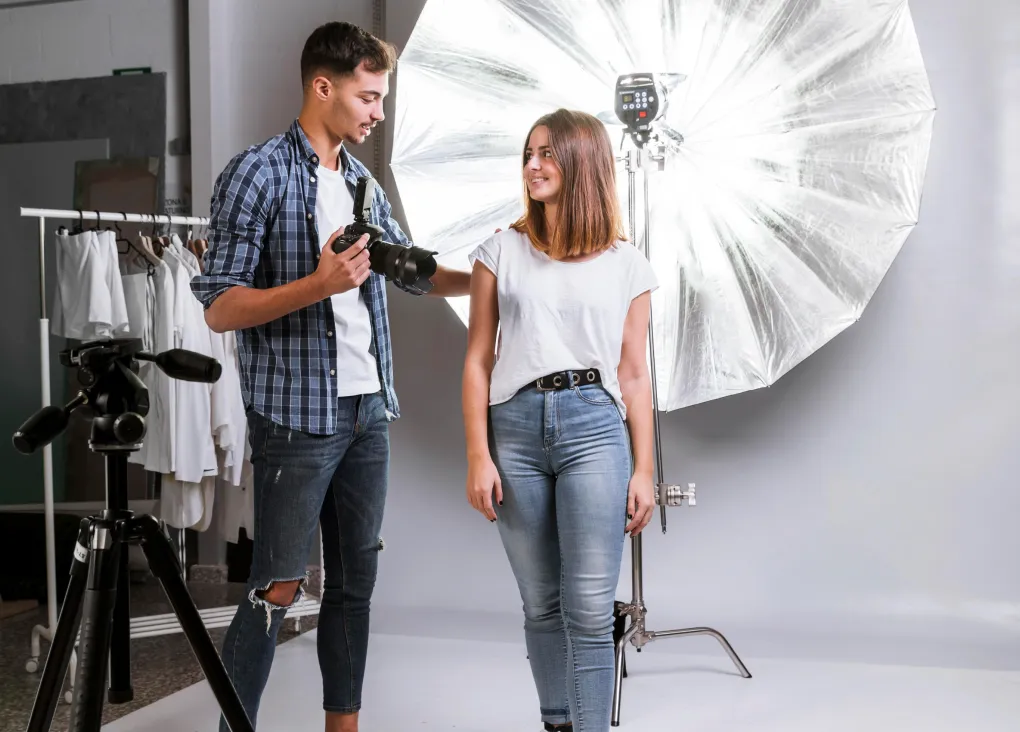
Your outfit should communicate your brand instantly, and it should be something you’d actually wear to a high-level client meeting or on stage.
Bring 2-3 complete outfits that show different dimensions of who you are:
Outfit 1: The authority look. This is your “I’m the expert” outfit. Structured, polished, the version of you that commands respect the moment you walk in a room.
Outfit 2: The approachable expert. Still professional, but softer. The outfit that says “I’m highly capable AND easy to work with.”
Outfit 3: The personality piece. Something that shows who you are outside the professional mask. Maybe it’s creative, maybe it’s casual, maybe it incorporates a hobby or interest.
Solid colors and simple patterns photograph better than busy prints. Make sure everything fits well and is wrinkle-free (yes, bring a steamer if you’re changing locations).
And incorporate your brand colors naturally if you can. But don’t force it if it feels costume-y.

You’re Closer to Premium Clients Than You Think
See what’s costing you premium clients (takes 3 min)
Props Are Your Secret Weapon
Props solve two problems at once: they give your hands something to do (so you don’t feel awkward), and they tell your story without words.
Think about what your clients see when they work with you:
- The notebook where you map out strategies
- The laptop where you create magic
- Books you’ve written or that influenced your work
- Tools specific to your craft
- Even a good coffee cup adds human warmth
The best brand photos don’t look like photoshoots. They look like someone captured you in your element, doing what you do.
Props make that happen.
But don’t bring random stuff just to have props. Everything should connect to your work or personality in a way that feels authentic.
Location Tells Half Your Story

Where you shoot matters as much as what you wear.
A minimalist office communicates something different than a creative studio. An outdoor setting hits different than a luxury hotel lobby.
Choose locations that align with where your ideal clients can picture themselves working with you:
Your actual workspace: Adds authenticity. Shows the real environment where you create client transformations.
Rented production space: Elevates the perceived value. Useful if your home office doesn’t match your brand positioning.
Outdoor settings: Great for coaches and creatives who want to communicate freedom, nature, or a less corporate vibe.
Client-facing locations: Coffee shops, co-working spaces, hotels. Anywhere you actually meet with clients.
If possible, plan for 2-3 location changes in one session. It gives you variety without needing multiple shoots.
Embody your true Brand Archetype and 10x your biz
Your Complete Photoshoot Checklist
Here are the personal branding photography tips I give every client before their session:
Two weeks before:
- Finalize your brand positioning (those 3-5 words)
- Plan outfits and do a test run (make sure everything fits and you feel confident)
- Scout locations if shooting on-location
- Get a haircut if needed (but not the day before)
One week before:
- Gather props that represent your work
- Create a shot list (headshots, full body, action shots, detail shots)
- Hydrate like crazy (seriously, it shows in photos)
Day before:
- Prep all outfits (steam, iron, lay out accessories)
- Get good sleep
- Avoid alcohol and excess salt (reduces puffiness)
Day of:
- Eat a normal breakfast (low blood sugar shows)
- Bring water, snacks, and any touch-up makeup
- Arrive early to settle in
- Trust the process

Professional headshot preparation isn’t about becoming a model. It’s about getting comfortable being seen.
What to Do When You Feel Awkward
Everyone feels weird at first. That’s normal.
Professional headshot preparation isn’t about becoming a model. It’s about getting comfortable being seen.
Movement looks more natural than stiff posing. Instead of standing there frozen, interact with your environment:
- Walk and pause naturally
- Lean against walls or furniture
- Sit down and stand up
- Hold props and actually use them
- Talk while we shoot (it relaxes your face)
The photographer should guide you through everything. If something feels forced, say so. The best shots happen when you feel like yourself, just slightly elevated.
Mix Professional With Personal
Your clients hire people they connect with, not just expertise.
Including personal elements makes you memorable. It’s the difference between “another strategist” and “the strategist who gets me.”
Show what lights you up outside work:
- Reading a book you love
- Your morning coffee ritual
- A creative hobby
- Time in nature
- Whatever makes you feel most yourself
These shots create connection. They give people permission to see you as human, which paradoxically makes them trust your professional expertise more.
One Session, Maximum Content
Smart founders extract multiple content angles from one photoshoot:
- Website header and about page
- Social media profile photos (consistent across platforms)
- LinkedIn banner and posts
- Speaking materials and media kits
- Email signatures
- Podcast guest images
- Sales page credibility shots
Plan for variety within the session:
Different locations. Different outfits. Different moods (serious authority, approachable warmth, creative energy). Different crops (tight headshots, waist-up, full body, detail shots).
This gives you content that works across your entire brand without everything looking like it came from the same five minutes.
The Real Purpose of Brand Photography
Here’s what most people miss: brand photography isn’t about vanity.
It’s about removing friction from your business.
Every time someone lands on your website, sees your LinkedIn, or gets a speaking opportunity forwarded to them, your visuals are making a split-second argument for or against you.
Amateur photos (even good amateur photos) communicate amateur pricing. Professional brand photography signals that you’re established, credible, and worth premium rates.
It’s not fair. But it’s real.
Your face is doing sales work 24/7, whether you’re awake or not. These photos are working for you at scale, in rooms you’ll never physically enter, with people who might become your best clients.
Prepare properly, and you’ll walk away with assets that pay for themselves many times over.
You’re Closer to Premium Clients Than You Think
See what’s costing you premium clients (takes 3 min)
Frequently Asked Questions
What should I wear for a professional photoshoot?
Wear outfits you’d actually wear to high-level client meetings that reflect your brand positioning. Bring 2-3 complete looks: one authoritative and polished, one approachable but professional, and one that shows personality. Stick to solid colors or simple patterns, make sure everything fits well, and incorporate your brand colors naturally if possible.
How long does a personal branding photoshoot take?
A comprehensive brand photoshoot typically takes 2-3 hours. This allows time for multiple outfit changes, location shifts, and variety in shots (headshots, full body, action shots, detail work). Shorter sessions (60-90 minutes) can work if you’re focused on just headshots and profile photos in one location.
What props should I bring to a brand photoshoot?
Bring items that represent your actual work and give context to who you are: notebooks, laptops, books you’ve written or reference, tools specific to your craft, or even a coffee cup. Props should feel authentic to your brand and give your hands something natural to do. Avoid random items that don’t connect to your story.
How do I look natural and not awkward in photos?
Movement looks more natural than static posing. Instead of standing frozen, interact with your environment: walk and pause, lean on furniture, sit and stand naturally, use your props, and talk during the shoot. A good photographer will guide you through everything. The key is feeling like yourself, just slightly elevated, not trying to be a model.
How often should I update my professional headshots?
Update your brand photography every 1-2 years, or whenever you have a significant brand evolution (new positioning, major style change, or different target audience). Your photos should accurately reflect how you look now and match your current brand message. Outdated photos create disconnect and hurt credibility, even if the old photos were professionally done.
What’s the difference between headshots and brand photography?
Headshots are just your face, typically used for corporate directories or LinkedIn profiles. Brand photography is a complete visual story that includes headshots plus lifestyle shots, action shots, detail work, and images that show you in your element. Brand photography gives you content for your entire marketing ecosystem (website, social media, speaking materials, sales pages), while headshots only solve one narrow problem. If you’re building a personal brand, you need the full package.
Should I do my own hair and makeup or hire a professional?
For most founders, professional hair and makeup isn’t necessary unless you’re doing video content or large-scale campaigns. Your goal is to look like an elevated, polished version of yourself, not someone else. Do what makes you feel confident: get a blowout if that’s your thing, or show up natural if that matches your brand. The exception: if you’re prone to shine or have specific skin concerns, a makeup artist who specializes in photography can help you look consistent across all your shots without looking “done up.”

Michele Zangrandi
Founder at Inner Light Digital
Sold my agency to follow my passion. Now I help leaders build magnetic personal brands that attract dream clients without chasing or selling.
Follow me


Get some more inspiring content
Get some more
inspiring content