







Most brand messaging strategy feels like putting on a costume every time you post.
You’ve seen the templates. The “voice and tone” documents that sit in a Google Drive folder no one opens. The carefully crafted “about” sections that somehow make you sound less interesting than you actually are.
Here’s what I’ve learned building personal brands for coaches and creatives over the past few years: your brand messaging strategy shouldn’t be something you “do.” It should be something you are.
The brands that actually work, the ones that attract clients without paid ads or complicated funnels, they all have one thing in common. They sound like a real human wrote them.

Embody your true Brand Archetype and 10x your biz
Why Your Current Brand Messaging Probably Isn’t Working
Let me guess. You’ve tried to “find your brand voice” before.
Maybe you filled out a worksheet. Picked some adjectives. Decided you’re “approachable yet professional” or “bold but authentic.”
And then what? You still freeze every time you try to write a caption or email. Because those words don’t actually tell you what to say or how to say it.
I see this constantly with new clients. They come to me with beautiful brand boards and perfectly aligned color palettes. But when it comes to actually communicating who they are, they sound like everyone else.
The problem isn’t you. The problem is treating your brand messaging like a separate thing from your actual personality.

What Brand Messaging Strategy Actually Means
A brand messaging strategy is how you consistently communicate your value, personality, and perspective across every touchpoint.
Not just what you say. How you say it. What you talk about. What you ignore. The stories you tell. The metaphors you use. The things you repeat until people start saying them back to you.
It’s the difference between “I help entrepreneurs build authentic brands” and “I help burnt-out coaches stop performing for algorithms and start showing up as themselves.”
One is generic. The other has a point of view.
Your brand voice is the personality that comes through. Your messaging framework is what you actually talk about and why it matters.
Both need to come from something real, or they’ll feel hollow.

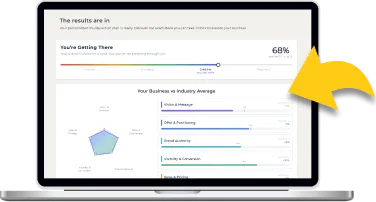
You’re Closer to Premium Clients Than You Think
See what’s costing you premium clients (takes 3 min)
The Anti-Framework Framework I Use With Clients
I don’t believe in following formulas. But I do believe in having structure.
Here’s what we focus on when building brand messaging that actually converts:
Your unfair advantage. Not your credentials. The specific combination of experiences, failures, and perspectives that only you have. This becomes your authority.
Your filter. What you say no to is as important as what you say yes to. My filter: I don’t work with people chasing trends or trying to “go viral.” That clarity shapes everything I write.
Your repeatable truths. Three to five core beliefs you can say a hundred different ways. Mine include “personal brand is the only moat AI can’t replicate” and “most networking is performance art.”
Your proof. Not testimonials. Specific moments when your approach worked. Stories your audience can see themselves in.
Your next step. What you want people to do after they engage with your content. Most people skip this and wonder why nothing converts.
This isn’t about sounding “on brand.” It’s about having something to say and saying it clearly.
How to Actually Build Your Brand Messaging (Not Just Think About It)

Stop trying to craft the perfect message before you start.
Your brand messaging strategy emerges from showing up and paying attention to what resonates.
Start here: write 20 posts or emails as if you’re talking to one specific person. Not your ideal client avatar. A real human you’ve talked to who needs what you offer.
Notice which ones feel easy to write. Notice which ones get responses. Notice which language people use when they reply.
That’s your messaging.
Then look for patterns. What themes keep showing up? What analogies do you naturally use? What stories do you tell over and over?
Document that. Not in a corporate brand guide. In your own words, in a note on your phone or a Google doc you’ll actually read.
And then here’s the part everyone resists: start saying the same things repeatedly.
I know. It feels boring to you. But your audience isn’t reading everything you write. They need to hear your core messages multiple times before they sink in.
The brands you remember all have repeatable phrases. You need yours too.
Embody your true Brand Archetype and 10x your biz
Workshop: Find Your Core Message in 30 Minutes
Enough theory. Let’s actually do this.
Grab your phone or a notebook. Set a timer for 30 minutes. Work through these prompts without overthinking.
Round 1: The Anger Audit (5 minutes)
What makes you irrationally angry in your industry? What advice do you see everywhere that makes you want to throw your phone?
Write fast. Don’t edit. Just rant.
This anger is usually pointing at your unique perspective. The thing you believe that sets you apart.
Round 2: The Conversation You Keep Having (5 minutes)
Think about the last three conversations you had with potential clients or people in your audience.
What question did they ask? What struggle did they describe? What language did they use?
Write down their exact words if you remember them.
Your messaging should speak directly to this. Not to what you think they need, but what they’re actually saying.
Round 3: The Transformation Story (10 minutes)
Pick one client or one version of yourself from the past.
Where were they before working with you (or before you figured this out)? Be specific. What did their daily life look like? How did they feel?
Where are they now? Again, specifics. What changed in their actual life, not just their mindset?
This story contains your value proposition. The gap between before and after is what you sell.
Round 4: Your Non-Negotiables (5 minutes)
List three things you will not compromise on. Could be about how you work, who you work with, what methods you use, what you believe.
These become your filter. They help you say no to the wrong people and attract the right ones.
Round 5: Put It Together (5 minutes)
Now write one paragraph that includes:
Who you’re for (using language from Round 2)
What you help them move from and toward (from Round 3)
Why your approach is different (hint: it’s connected to Round 1)
Don’t try to make it perfect. Just write it like you’re explaining to a friend.
That paragraph? That’s the foundation of your brand messaging strategy.
Everything you write from now on should connect back to that transformation, that perspective, that specific person.

Everything you write from now on should connect back to that transformation, that perspective, that specific person.
Brand Communication Starts With Internal Clarity
You can’t message clearly externally if you’re confused internally.
Most messaging problems are actually clarity problems.
You’re trying to talk to everyone, so you connect with no one. You’re hedging your language because you’re afraid of being too specific. You’re using jargon because you haven’t figured out how to explain what you do in normal words.
Before you work on brand positioning or messaging guidelines, get honest about:
What you actually believe (not what you think you should believe)
Who you’re actually for (not who would be easiest to sell to)
What transformation you actually provide (not the one that sounds most impressive)
When I started InnerLight, I tried to appeal to anyone who needed branding. My messaging was vague and forgettable.
Then I got specific. I work with creatives and coaches who are good at what they do but invisible online. Who want to build businesses around their lives, not the other way around.
Suddenly my messaging got easier. Because I knew exactly who I was talking to and what they needed to hear.
What This Looks Like in Practice
Your brand messaging strategy should show up everywhere:
Your website headlines. Your Instagram bio. Your email signature. The way you start client calls. How you explain what you do at a dinner party.
It’s not about saying the same thing word for word. It’s about having consistent themes and energy.
One of my clients is a life coach who kept describing herself as “helping people find balance.” Generic, forgettable.
We dug into her actual client transformations. Turns out she helps high-performers stop optimizing their lives into joyless productivity machines. That became her messaging.
Now everything she writes comes back to that idea. Different angles, different stories, same core truth.
That’s a messaging strategy. Not a template. A clear perspective expressed consistently.
Stop Overthinking It

The best brand messaging feels obvious once you find it.
You’ll know it’s right when:
You can explain what you do in one sentence without qualifiers
People start using your language back to you
You stop second-guessing every post before you hit publish
Writing content feels faster because you know what you’re saying
New people “get it” immediately without lengthy explanations
Your brand messaging strategy isn’t about perfection. It’s about clarity, consistency, and having the guts to sound like yourself instead of everyone else in your industry.
Most people never find their message because they’re too busy trying to sound professional. But professional is forgettable.
Real is magnetic.
You’re Closer to Premium Clients Than You Think
See what’s costing you premium clients (takes 3 min)
Frequently Asked Questions
What is a brand messaging strategy?
A brand messaging strategy is how you consistently communicate your value, personality, and point of view across all platforms. It includes your core themes, the language you use, the stories you tell, and the specific transformation you promise. It’s not a template but a clear framework for what you say and how you say it.
How do I create a messaging framework for my personal brand?
Start by identifying your unfair advantage (your unique combination of experience and perspective), your filter (what you say no to), and three to five core beliefs you can express in multiple ways. Test your messaging by writing 20 pieces of content to one specific person, then look for patterns in what resonates. Document those patterns and repeat them consistently.
How is brand voice different from brand messaging?
Brand voice is your personality and how you sound (witty, direct, warm, irreverent). Brand messaging is what you actually talk about and the specific value you communicate. You can have a great voice but unclear messaging, which leaves people entertained but confused about what you offer or why it matters.
How often should I repeat my core brand messages?
Far more than feels comfortable. Your audience isn’t seeing everything you create, and messages need 7+ exposures before they stick. The most memorable brands have repeatable phrases and themes they express dozens of different ways. If you’re bored of saying it, your audience is probably just starting to remember it.
Can my brand messaging evolve over time?
Yes, and it should. As you grow, serve more clients, and clarify your perspective, your messaging will naturally sharpen. The core of who you serve and why usually stays consistent, but how you articulate it can evolve. Don’t lock yourself into messaging that no longer feels true just because it’s what you started with.

Michele Zangrandi
Founder at Inner Light Digital
Sold my agency to follow my passion. Now I help leaders build magnetic personal brands that attract dream clients without chasing or selling.
Follow me


Get some more inspiring content
Get some more
inspiring content