







I’ll be honest with you.
Most people get personal branding backwards.
They think it’s about creating a version of themselves that looks good online. Polished photos. Clever captions. A carefully curated feed that screams “I have it all together.”
But here’s what I’ve learned after years of helping entrepreneurs, creatives and coaches build their brands: if you’re trying to build your personal brand by becoming someone else, you’ve already lost.
The real question isn’t how to build your personal brand. It’s how to translate who you already are into something visible, magnetic, and valuable online.
And that’s what we’re covering today.

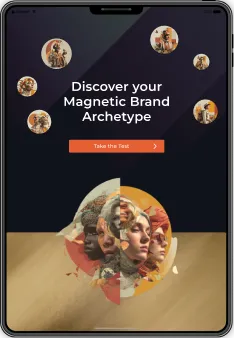
Embody your true Brand Archetype and 10x your biz
Why Most Personal Branding Advice Makes You Feel Like a Fraud
There’s a ton of content out there about personal branding strategy. Most of it follows the same formula:
Pick a niche. Define your ideal client. Create consistent content. Optimize for algorithms.
None of that is wrong. But it’s incomplete.
Because what happens when you follow that advice is you end up with a brand that works on paper but feels hollow in practice. You’re posting, but it doesn’t feel like you. You’re showing up, but you’re exhausted.
I see this constantly with the people I work with at InnerLight.digital. They come to me burnt out from trying to be the “right” kind of entrepreneur online. They’ve lost the spark that made them start their business in the first place.
The truth is, you can’t separate your personal brand from your actual life. When you try, people feel it. And more importantly, you feel it.

The Foundation: Know What You Actually Stand For
Let me tell you what happened last month.
Before you think about color palette and logo design, you need clarity on what you’re actually about.
And I don’t mean your mission statement. I mean the real stuff.
What pisses you off about your industry? What do you believe that most people in your space don’t? What would you still be talking about even if no one paid you?
Your personal brand isn’t built on what you think you should say. It’s built on what you can’t help but say.
When I started InnerLight.digital, I was tired of seeing entrepreneurs, coaches and creatives dilute themselves to fit some marketing template. I was angry that “personal branding” had become about performance instead of presence.
That anger became my foundation. It’s why everything I create pushes back against cookie-cutter advice and celebrates the messy, real humans behind the businesses.
Find your version of that. Because that’s what people will remember.

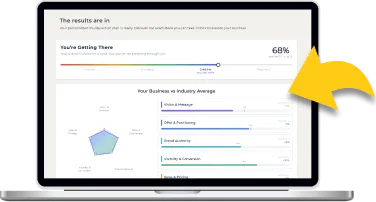
You’re Closer to Premium Clients Than You Think
See what’s costing you premium clients (takes 3 min)
Stop Trying to Appeal to Everyone
Here’s something that took me way too long to learn: the broader your message, the less it matters.
When you’re learning how to build your personal brand, there’s this temptation to stay neutral. To avoid saying anything that might turn someone off.
But neutral is forgettable.
The creators and entrepreneurs who build powerful personal brands are the ones willing to polarize. Not for the sake of being controversial, but because they’re clear about who they’re for (and who they’re not).
I’m not for people who want quick hacks and growth tactics. I’m for people who want to build something real that doesn’t require them to perform a version of themselves they don’t recognize.
Some people read that and think “not for me.” Perfect. That means the right people know immediately that this is for them.
Draw your lines. State your opinions. Let people self-select out.
The ones who stay will be ten times more engaged than a crowd of lukewarm followers.
Your Story Is Your Competitive Advantage

AI can write copy. It can create images. It can even mimic styles and voices.
But it can’t replicate your specific journey. Your failures. Your perspective shaped by years of experiences only you have lived.
This is why your story matters so much when you build your personal brand.
Not the highlight reel version. The real one.
The version where you talk about the business you started that failed. The clients you took on that taught you what you don’t want. The moment you realized you’d been building someone else’s version of success.
I built my agency after years of working with entrepreneurs who were incredibly talented but invisible online. I watched them struggle to translate the magic that happened in their in-person sessions into their digital presence.
That specific frustration shaped everything about InnerLight.digital. It’s why I focus on capturing essence, not just creating content.
Your version of that story exists. And when you share it honestly, you create a connection that no amount of “perfect branding” can match.
Embody your true Brand Archetype and 10x your biz
Consistency Doesn’t Mean Constant
One of the biggest myths about personal branding is that you need to be everywhere, all the time, posting constantly.
You don’t.
What you need is to show up in a way that feels sustainable for you. That might be daily. It might be weekly. It might be when you have something worth saying.
The key is showing up as yourself, not as who you think you should be.
I’ve had periods where I post every day. And periods where I go quiet because I’m deep in client work or just need space to think.
Both are part of my brand. Because my brand is my actual life, not a performance I put on.
This is especially important for entrepreneurs, creatives and coaches who feel pressure to follow someone else’s content strategy. If you’re forcing yourself to show up in ways that drain you, that energy shows through. And it repels the exact people you want to attract.
Find your rhythm. Honor it. Let that be part of your brand.

Find your rhythm. Honor it. Let that be part of your brand.
Building in Public Builds Trust Faster Than Perfection
People don’t trust polish anymore. They trust process.
When you share the behind-the-scenes, the learning curve, the moments where you don’t have it figured out, you give people permission to be human too.
And that creates powerful bonds.
I share when I’m experimenting with new approaches at InnerLight.digital. When something doesn’t work. When I change my mind about a strategy I previously recommended.
Not because I’m trying to be relatable. But because that’s actually what’s happening. And pretending otherwise would be exhausting.
This is what separates authentic personal brands from manufactured ones. The willingness to be seen in the messy middle, not just at the polished finish line.
The Energy You Bring Matters More Than Your Strategy
Here’s something most marketing advice ignores: people can feel your energy through the screen.
When you’re forcing content because you “should” post something, it feels forced. When you’re genuinely excited about what you’re sharing, that comes through too.
This is why I always tell the people I work with to start with alignment, not strategy.
What lights you up? What are you naturally curious about? What would you create even if it didn’t “perform” well?
That’s where your best content lives. Not in the stuff you think will get engagement, but in the stuff you can’t help but share.
Your personal brand should feel like an extension of who you are, not a separate job you have to manage. When it does, creating content stops feeling like work and starts feeling like sharing.
How to Actually Build Your Personal Brand (The Real Process)

Okay, enough philosophy. Here’s the practical side.
Start with self-knowledge. Get clear on your values, your perspective, your non-negotiables. Write them down. These become your filter for every piece of content you create.
Define your people. Not a demographic. Actual humans with specific problems, desires, and worldviews. The more specific, the better.
Choose your platforms strategically. You don’t need to be everywhere. Pick 1-2 platforms where your people actually spend time and where you enjoy showing up.
Create a content foundation. This could be a weekly email, a podcast, a YouTube channel, or regular social posts. Something consistent where people can experience your perspective regularly.
Share generously. Give away your best ideas. The people who are right for you will still hire you (or buy from you, or follow you) because of how you deliver those ideas and who you are as a person.
Build real relationships. Comment meaningfully. Have actual conversations. Connect with people whose work you respect. Personal branding isn’t a broadcast, it’s a dialogue.
Document, don’t perform. Share what you’re learning, building, questioning. Make your process visible.
Be patient. An authentic personal brand takes time to build because it’s based on trust, not tricks. But the audience you build this way is infinitely more valuable than one built on hype.
What Changes When Your Personal Brand Is Actually Personal
When you build your personal brand from a place of genuine alignment, a few things shift:
Content becomes easier because you’re not trying to be someone else.
The right people find you faster because your message is clear and specific.
You stop burning out because you’re not performing a version of yourself that doesn’t exist.
Your business becomes more sustainable because it’s built on who you actually are, not who you think the market wants.
And you start attracting opportunities that actually fit your life instead of ones you have to contort yourself to accept.
This is what I see happen with every client at InnerLight.digital who makes this shift. They stop chasing visibility and start magnetizing it. They stop trying to figure out “what works” and start sharing what matters to them. And somehow, everything works better.
The Real Competitive Advantage
In a world where everyone has access to the same tools, templates, and tactics, your humanity is your edge.
The way you think. The way you see problems. The specific experiences that shaped your perspective.
How to build your personal brand isn’t about learning some secret formula. It’s about getting clear on who you are, what you care about, and having the courage to show up as that person consistently.
Not perfectly. Not constantly. But genuinely.
That’s the brand people remember. That’s the brand that builds businesses, creates impact, and actually feels good to maintain.
And that’s the only kind of personal brand worth building.
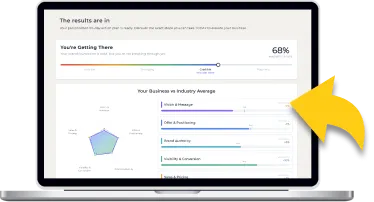
You’re Closer to Premium Clients Than You Think
See what’s costing you premium clients (takes 3 min)
Frequently Asked Questions
How long does it take to build a personal brand?
Building an authentic personal brand typically takes 6-12 months to gain initial traction, but it’s an ongoing process. The timeline depends on your consistency, the clarity of your message, and how genuinely you show up. Focus on depth and authenticity rather than speed. Quick personal brand growth often comes from hype tactics that don’t last.
Do I need to be on every social media platform to build my personal brand?
No. It’s better to build a strong presence on 1-2 platforms where your target audience actually spends time. Spreading yourself thin across multiple platforms usually means mediocre content everywhere. Choose platforms that match your content style (visual, written, video) and double down there.
What’s the difference between personal branding and self-promotion?
Personal branding is about consistently sharing your perspective, values, and expertise in a way that helps people understand who you are and what you stand for. Self-promotion is focused on selling. A strong personal brand makes selling easier because people already trust you and understand your value before you pitch anything.
Can introverts build strong personal brands?
Absolutely. Personal branding doesn’t require being loud or constantly visible. Introverts often build deeper, more meaningful brands because they focus on substance over volume. Choose formats that energize you (writing over video, for example) and build relationships through quality interactions rather than quantity.
How do I know if my personal brand is working?
Your personal brand is working when the right people start finding you organically, when opportunities align with your actual values and goals, and when you can clearly articulate who you are and what you stand for without feeling like you’re performing. Look for quality of connections and alignment of opportunities, not just vanity metrics like follower count.

Michele Zangrandi
Founder at Inner Light Digital
Sold my agency to follow my passion. Now I help leaders build magnetic personal brands that attract dream clients without chasing or selling.
Follow me


Get some more inspiring content
Get some more
inspiring content