







I’ll be honest with you.
Most personal branding strategy advice out there is making you worse, not better.
It’s teaching you to perform. To package yourself. To create a “professional persona” that sounds nothing like the person your friends grab coffee with.
And then we wonder why building a personal brand feels exhausting.
Here’s what I’ve learned after years of helping creatives and coaches build brands that actually feel good: your personal branding strategy shouldn’t make you unrecognizable to yourself.
It should make you more you, not less.

Embody your true Brand Archetype and 10x your biz
The Best Personal Branding Strategy of 2026
Here’s what’s changing right now.
AI is everywhere. Content is infinite. Everyone sounds increasingly similar.
And in the middle of all this noise, the best personal branding strategy of 2026 isn’t about posting more, optimizing harder, or following the latest platform trend.
It’s about being so distinctly human that you can’t be replicated.
The brands that will win this year are the ones that stop trying to be perfect and start being real. The ones that understand their story is their moat. The ones that build depth over reach.
Because when everything starts sounding the same, being yourself isn’t just refreshing. It’s strategic.

What a Personal Branding Strategy Actually Is (Spoiler: Not What You Think)
Let me tell you what happened last month.
A coaching client came to me frustrated. She’d spent six months following a “proven personal brand strategy” from a course. Posted daily. Used all the hooks. Optimized her bio three times.
Zero clients.
When I asked her to describe her ideal client, she rattled off demographics. When I asked what she actually talks about when she meets someone at a dinner party, her whole face changed.
That’s when we started over.
A real personal branding strategy isn’t about creating content. It’s about capturing what already happens when you’re at your best, then making that repeatable and visible online.
The magic you create in person? That’s your brand. Everything else is just amplification.

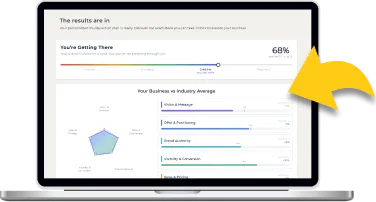
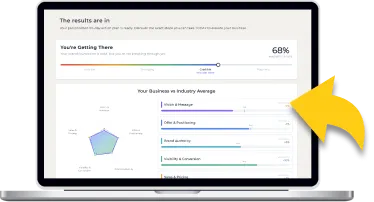
You’re Closer to Premium Clients Than You Think
See what’s costing you premium clients (takes 3 min)
The Three Layers of an Effective Personal Brand Strategy
Most people jump straight to tactics. Post more. Be consistent. Optimize your LinkedIn.
But tactics without foundation is just noise.
Layer One: Your Anchor Point
Before you post anything, answer this: what do you want to be known for when you’re not in the room?
Not your job title. Not your credentials.
What do people say about you after you leave? What energy do they remember?
I call this your anchor point. It’s the thing that makes people think, “Oh, I should introduce you to [your name]” when a specific problem comes up.
Your entire personal branding strategy should radiate from this point.
Layer Two: Your Signal
Now here’s where most advice gets it wrong.
They tell you to “find your niche.” To “pick a lane.” To become known for one thing.
But humans aren’t one thing. And the most magnetic brands understand this.
Your signal isn’t about narrowing down. It’s about turning up the volume on what’s already distinctly you.
The way you think. The connections you make. The questions you ask.
That’s your signal. And it’s already there, you’ve just been taught to hide it behind professional polish.
Layer Three: Your Rhythm
Here’s what no one tells you about personal branding strategies: consistency matters, but not the way you think.
You don’t need to post every day. You need to show up in a pattern that people can recognize.
Maybe you share deep thoughts on Tuesdays. Maybe you tell stories on weekends. Maybe you only post when you actually have something to say.
The rhythm isn’t about frequency. It’s about creating a recognizable pattern that builds trust over time.
How to Build Your Personal Brand Growth Strategy Without Burning Out

Let me share something vulnerable.
Three years ago, I tried to build my brand the “right” way. Daily posts. Growth hacks. Engagement pods. All of it.
I gained followers. Lost myself. And the worst part? The people finding me weren’t my people.
So I stopped. And started asking different questions.
What if growth meant depth, not reach?
Here’s what changed when I shifted my personal brand growth strategy:
I stopped trying to go viral and started having real conversations.
I stopped chasing followers and started building relationships with the 100 people who actually cared.
I stopped posting what “performs” and started sharing what I actually think.
And something strange happened. My business grew faster than it ever had.
Because a personal brand isn’t built through broadcast. It’s built through connection.
Embody your true Brand Archetype and 10x your biz
The Anti-Formula: Real Strategies for Branding That Works
You want practical? Let’s get practical.
But understand this first: what works for me might not work for you. And that’s exactly the point.
Strategy One: The Capture Method
For the next week, notice every moment someone says, “Wow, I never thought about it that way.”
Those moments? That’s your brand.
Write them down. Those are your topics, your angles, your unique perspective.
Most people try to invent their brand. You just need to capture what’s already happening.
Strategy Two: The Energy Audit
Look at your last 20 posts or pieces of content.
Which ones made you excited to share? Which ones felt like homework?
Delete the homework. Double down on the excitement.
Your audience can feel the difference. So can you.
Strategy Three: The One-Person Focus
Pick one real person you want to serve. Not a persona. An actual human.
Write every piece of content like you’re talking to them over coffee.
This single shift will do more for your brand than any growth hack ever will.
Strategy Four: The Pattern Recognition
What do your best conversations have in common?
The topics you keep coming back to. The stories you naturally tell. The advice you give without thinking.
That’s not random. That’s your brand trying to emerge.
Let it.
Strategy Five: The Permission Slip
Give yourself permission to be inconsistent when life happens.
Give yourself permission to pivot when you outgrow something.
Give yourself permission to not have it all figured out.
The most trustworthy brands are the ones that evolve like humans do.

Most people try to invent their brand. You just need to capture what’s already happening.
What Makes Your Personal Brand Magnetic (It’s Not What They’re Teaching)
Every successful personal brand I’ve worked with has one thing in common.
They stopped trying to be for everyone.
Not because they wanted to be exclusive. But because they got clear on who they actually serve, and they became unapologetically specific about it.
Here’s the thing about magnetic brands: they repel as much as they attract. And that’s not a bug, it’s a feature.
When you try to please everyone, you attract no one deeply.
When you speak directly to your people, using your real voice, with your actual opinions, something magical happens.
The right people feel like you’re reading their mind. The wrong people scroll past. And your business becomes so much easier.
Common Personal Branding Strategy Mistakes (And How to Fix Them)
Mistake One: Copying What Works for Others
What works for the productivity bro won’t work for you. What works for the vulnerable storyteller might not either.
Your strategy needs to fit your energy, not someone else’s playbook.
Mistake Two: Waiting to Feel Ready
You’ll never feel ready. That’s not how this works.
Start messy. Refine as you go. Your first attempts won’t be your best, and that’s exactly how it should be.
Mistake Three: Building in Private
I see this with creatives all the time. You’re perfecting your offer, your website, your message.
Meanwhile, no one knows you exist.
Build in public. Let people see the process. Imperfect action beats perfect planning every single time.
Mistake Four: Forgetting You’re Human
Your audience doesn’t need another expert. They need someone who gets it.
Share the wins, sure. But share the weird thoughts, the failed experiments, the lessons learned.
That’s what builds trust.
How Your Personal Branding Strategy Should Evolve

Here’s what they don’t tell you: your brand isn’t static.
You’re not building a monument. You’re documenting a journey.
As you grow, your brand should grow. As you learn, your message should deepen. As you change, your audience should see that evolution.
The goal isn’t to lock yourself into one version of you forever. The goal is to create a foundation flexible enough to hold whoever you’re becoming.
And that means your personal branding strategies need room to breathe.
Check in every few months. What still feels true? What’s shifted? What new insight changes everything?
Let your brand be alive. Because you are.
Starting Your Personal Brand Strategy Today (The Simplified Version)
Forget the 90-day plans. Forget the content calendars.
Start here:
This week: Notice three moments when you’re completely yourself and someone responds positively. Write them down.
This month: Share those moments publicly in whatever format feels natural. A post, a video, a conversation.
This quarter: Look for patterns in what resonates. Not what gets likes, what starts real conversations.
That’s it. That’s your personal branding strategy in its simplest form.
Everything else is just refinement.
Why This Matters More Now Than Ever
AI can write copy. It can optimize headlines. It can even mimic voice.
But it can’t be you.
Your personal brand, the real one, the one that’s built on your actual experiences and perspective and energy, that’s the only thing no one can replicate.
And in a world where everything is starting to sound the same, being distinctly yourself isn’t just refreshing.
It’s your competitive advantage.
Want help building a personal brand that feels like you? That’s exactly what we do at InnerLight.digital. We help creatives and coaches capture their magic and turn it into visibility that actually feels good.
You’re Closer to Premium Clients Than You Think
See what’s costing you premium clients (takes 3 min)
Frequently Asked Questions
How long does it take to build a strong personal brand?
Honestly? 6-12 months of consistent, authentic showing up. But here’s the thing: you’ll start seeing traction in the first month if you’re being real. Building a personal brand isn’t about going viral overnight, it’s about becoming recognizable over time. The people who win are the ones who show up, not perfectly, just regularly, as themselves.
Do I need to post every day to grow my personal brand?
No. And this obsession with daily posting is burning people out for no reason. What you need is a recognizable rhythm. Maybe that’s three thoughtful posts a week. Maybe it’s a weekly deep-dive. Consistency matters more than frequency, and quality beats quantity every single time. Your audience would rather hear from you once a week with something worth reading than every day with filler.
How do I find my unique angle for personal branding?
Stop looking for it and start noticing it. Your unique angle is already showing up in your best conversations, the questions people always ask you, the topics you naturally geek out about. Pay attention to the moments when someone says “I never thought about it that way.” Those moments are your angle. You don’t invent your brand, you discover it by capturing what’s already there.
Can I have a personal brand if I’m not an extrovert?
Absolutely. Some of the strongest personal brands I’ve seen are from introverts. Personal branding isn’t about being loud, it’s about being clear. Introverts often build deeper connections because they’re more intentional about what they share. Your brand can be quieter, more thoughtful, more selective, and still be incredibly magnetic to the right people.
What if I want to pivot my personal brand later?
Then pivot. Your brand should evolve as you do. The key is being transparent about the evolution instead of pretending you’ve always been this new version. Your audience follows you because they trust you, and that trust deepens when they see you grow authentically. Pivots aren’t failures, they’re proof you’re paying attention to what actually lights you up.

Michele Zangrandi
Founder at Inner Light Digital
Sold my agency to follow my passion. Now I help leaders build magnetic personal brands that attract dream clients without chasing or selling.
Follow me


Get some more inspiring content
Get some more
inspiring content