





I spent three years telling people to ignore brand archetypes.
“Too corporate,” I’d say. “Too formulaic. You’re a human, not a textbook character.”
And I was right about the way most people use them.
But I was wrong about the framework itself. Because here’s what I learned after building personal brands for over 50 creatives and coaches: brand archetypes work when you use them as a mirror, not a costume.
Most branding frameworks try to make you into someone you’re not. This one shows you who you already are. And that difference? It’s everything.

Embody your true Brand Archetype and 10x your biz
What Are Brand Archetypes (And Why They’re Not What You Think)
Brand archetypes are 12 universal character patterns rooted in psychology and storytelling. Think of them as personality blueprints that humans instinctively recognize and connect with.
The concept comes from Carl Jung’s work on collective unconscious. He noticed that certain character types appear across every culture, every story, every mythology throughout human history.
The Hero. The Sage. The Rebel. The Caregiver.
We’ve been wired to understand these patterns since we sat around fires telling stories.
But here’s where most people get it wrong. They treat brand archetypes like a personality quiz at a corporate retreat. Pick your type, follow the template, post the content.
That’s not how this works.
Your archetype isn’t something you choose. It’s something you recognize. It’s the pattern that’s already showing up in how you help people, how you communicate, what pisses you off, and what you care about most.
When you find yours, it doesn’t feel like you’re putting on a character. It feels like someone finally gave you permission to be yourself.

Why Personal Brands Need This Framework
I’ve watched too many talented people disappear online because they tried to sound like everyone else.
They read the same branding advice. They copied the same content formats. They used the same voice everyone in their industry uses.
And they wonder why nobody remembers them.
Personal brand is the only true competitive advantage AI can’t replicate. But only if it’s actually personal. Only if people can feel YOU through the screen.
Brand personality archetypes give you a language for that. They help you understand the energy you naturally bring. The role you play in people’s lives. The transformation you spark just by being yourself.
This matters because people don’t buy services. They buy the feeling of being understood by someone who gets it.
Your archetype is the shape of that understanding.

You’re Closer to Premium Clients Than You Think
See what’s costing you premium clients (takes 3 min)
The 12 Brand Archetypes (Without the Corporate Bullshit)
The brand archetypes wheel organizes these 12 patterns into four core desires: stability, independence, belonging, and change.
Here’s what you actually need to know about each one:
The Innocent believes the world can be simple and good. They create safe spaces and uncomplicated solutions. Think Marie Kondo.
The Sage seeks truth and shares wisdom. They’re the teachers, the researchers, the ones who make complex things clear. Think Malcolm Gladwell.
The Explorer craves freedom and new experiences. They help people break free from limitations and discover themselves. Think Bear Grylls.
The Rebel challenges the status quo. They’re here to disrupt, rebel, and rewrite the rules. Think Banksy or Gary Vee.
The Magician transforms reality. They turn vision into results and help people believe in possibility. Think Tony Robbins.
The Hero overcomes obstacles and inspires courage. They prove what’s possible through action. Think Serena Williams.
The Lover creates intimacy and sensory experiences. They celebrate beauty, pleasure, and connection. Think luxury brands or intimacy coaches.
The Entertainer brings joy and perspective through humor. They help people lighten up and not take everything so seriously. Think Ryan Reynolds.
The Citizen is relatable, down-to-earth, authentic. They build community through shared experience. Think Brené Brown.
The Caregiver nurtures and protects. They create safety and help people feel seen and supported. Think life coaches focused on healing.
The Ruler creates order and empowers others to lead. They build systems and help people step into authority. Think business strategists.
The Creator brings new things into existence. They’re artists, innovators, visionaries who help others express themselves. Think designers and creative directors.
Most people have one primary archetype with a secondary influence. You’re not looking for the perfect fit. You’re looking for the pattern that makes you go, “Oh. That’s why I do it this way.”
Practical Workshop: Find Your Real Archetype (Not the One You Wish You Were)

Forget the brand archetypes quiz. Most of them are designed to make you feel good, not give you truth.
This workshop takes 30 minutes. Do it alone. Be honest. No one’s watching.
Part 1: Pattern Recognition (15 minutes)
Grab your phone and look at the last 20 messages from clients or friends thanking you for something.
Write down every phrase they use to describe you or what you did for them.
Look for patterns:
- Do they thank you for making things clearer? (Sage)
- For giving them courage? (Hero)
- For making them feel safe? (Caregiver)
- For challenging their thinking? (Rebel)
- For helping them see new possibilities? (Magician or Explorer)
- For making them laugh when they needed it? (Entertainer)
The words people use when they’re grateful reveal your natural archetype. They’re not performing. They’re responding to the energy you actually give.
Part 2: Energy Audit (10 minutes)
Answer these fast. First thing that comes to mind:
- What do you do that energizes you but exhausts other people?
- What makes you angry about your industry?
- If you could only help people do ONE thing, what would it be?
- What do you care about that nobody asked you to care about?
- When do you feel most yourself in your work?
Your answers point to your archetype’s core motivation:
Wanting to simplify and purify? Innocent. Wanting to teach and illuminate? Sage. Wanting to free and expand? Explorer. Wanting to disrupt and challenge? Rebel. Wanting to transform and manifest? Magician. Wanting to prove and achieve? Hero. Wanting to connect and attract? Lover. Wanting to play and lighten? Entertainer. Wanting to belong and relate? Everyman. Wanting to nurture and support? Caregiver. Wanting to organize and lead? Ruler. Wanting to create and express? Creator.
Part 3: Shadow Work (5 minutes)
This is the part most brand archetypes tests skip. But it’s the most important.
Every archetype has a shadow. The version that shows up when you’re tired, scared, or trying too hard.
The Sage becomes a know-it-all. The Hero becomes exhausted and martyred. The Rebel becomes destructive. The Caregiver becomes a doormat.
Write down: What’s the worst version of your professional self? The one you’re ashamed of when it shows up?
That shadow tells you your archetype better than any quiz. Because you can only have the shadow of your actual pattern.
Embody your true Brand Archetype and 10x your biz
How to Actually Use This (Not Just Know It)
Knowing your archetype changes nothing. Using it changes everything.
Here’s how:
Filter your content through it. Before you post anything, ask: Does this sound like my archetype would say it? Not in a formulaic way. But energetically. The Sage doesn’t post motivational rah-rah content. The Hero doesn’t spend time in philosophical nuance. The Entertainer doesn’t lead with data. Stay in your lane.
Design your offers around it. Your archetype reveals what transformation you naturally create. The Magician sells transformation programs. The Sage sells frameworks and courses. The Caregiver sells support and containers. The Explorer sells freedom and experiences. Stop trying to sell what everyone else sells. Sell what your energy actually delivers.
Own your edges. Every archetype repels someone. The Rebel scares people who need safety. The Ruler intimidates people who resist authority. The Lover makes people uncomfortable with intensity. Good. Those aren’t your people anyway. Polarizing stances beat trying to please everyone.
Let it guide your collaborations. Work with people whose archetypes complement yours, not copy yours. The Sage needs the Creator to make their ideas beautiful. The Hero needs the Caregiver to help people integrate the journey. The Magician needs the Ruler to build systems around the vision.

Knowing your archetype changes nothing. Using it changes everything.
The Mistakes Everyone Makes
I’ve seen people learn their archetype and then screw it up in the same three ways:
Mistake 1: They perform it instead of embody it. Your archetype isn’t a character to play. It’s a pattern to recognize and lean into. The moment you’re trying to “be” your archetype, you’ve lost the thread.
Mistake 2: They use it as an excuse. “I’m a Creator, so I can’t be organized.” No. You’re a Creator who needs systems that work for your brain. Your archetype explains your energy. It doesn’t limit your capability.
Mistake 3: They think it replaces strategy. Your archetype is your voice and energy. You still need to know who you’re talking to, what you’re selling, and how you’re delivering it. This framework makes your strategy feel like you. It doesn’t replace having one.
And here’s the thing nobody says: your archetype can evolve. Not your core one. But your secondary influence changes as you grow. The Creator who builds a team might develop Ruler energy. The Sage who heals their trauma might lean into Caregiver.
You’re not locked in. You’re just finally seen.
Why This Works When Everything Else Feels Fake
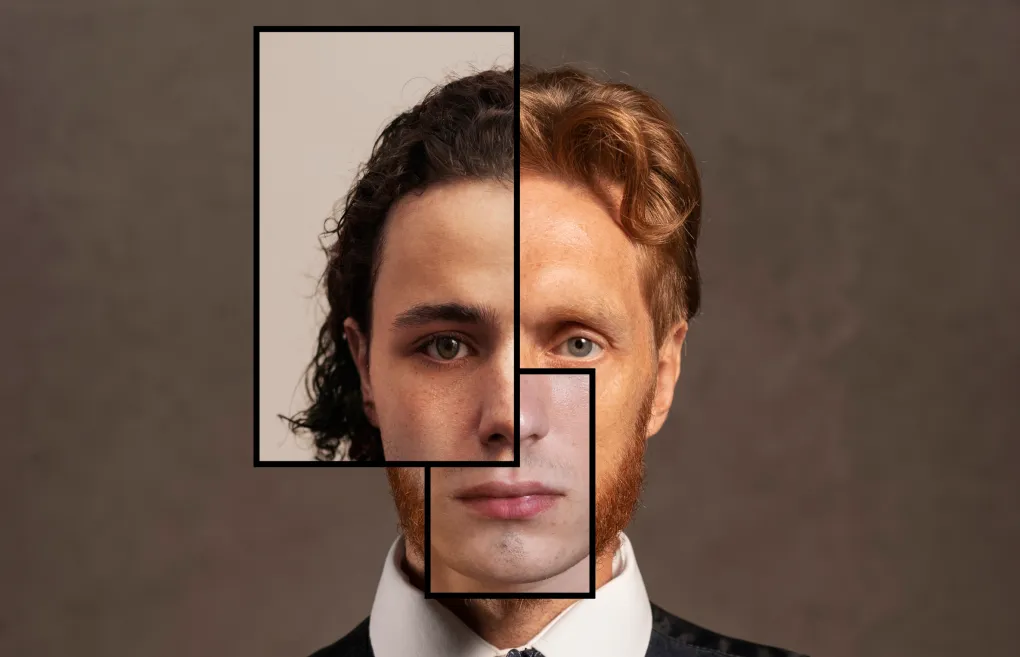
Most branding frameworks are about construction. Build this. Say that. Post here.
This one is about recognition. Oh. I already am this.
And that changes how you show up. Because you’re not trying to become someone else. You’re finally letting people see who you’ve been all along.
The best personal brands don’t feel branded. They feel human. They feel specific. They feel like the person you wish you could grab coffee with and talk about real things.
That’s what happens when you stop performing and start embodying.
Your archetype gives you permission to stop trying so hard. To let your natural energy lead. To trust that the way you already help people is exactly what someone needs.
Business and personal life aren’t separate. Your archetype proves it. Because the same pattern that shows up in how you help people shows up in how you show up for yourself, your family, your friends, your life.
This is the work. Not building a brand that looks good on the internet. Building a presence that feels like coming home.
You’re Closer to Premium Clients Than You Think
See what’s costing you premium clients (takes 3 min)
Frequently Asked Questions
What’s the difference between a brand archetype and a personality type?
Personality types (like Myers-Briggs) describe how you process information and interact with the world. Brand archetypes describe the role you play in other people’s transformation. You might be an INTJ personality but a Caregiver archetype in your work. One is about your internal wiring. The other is about your external impact. They’re related but not the same thing.
Can my brand archetype be different from my personal personality?
Not really. If there’s a big gap, you’re either performing a role that’s not natural to you (which will exhaust you) or you haven’t found your actual archetype yet. Your brand should be an extension of who you are, not a character you play. When you find your real archetype, it feels obvious. Like someone just described you better than you could describe yourself.
Do I need to take a brand archetypes test to find mine?
Yes, you can absolutely take a brand archetypes test to find yours. A good place to start is this one: https://innerlight.digital/brand-archetype-test/, which helps you identify your dominant brand archetype based on how you naturally show up and communicate. Think of the result as a helpful starting point that gives you language and direction, which you can then refine as you apply it to your brand voice, messaging, and visuals.
How do I use my brand archetype in my content strategy?
Let it filter everything. Before you post, ask: would my archetype care about this topic? Would they say it this way? The Sage shares insights and frameworks. The Hero shares wins and challenges overcome. The Rebel shares controversial takes. The Caregiver shares vulnerable moments and support. Your archetype determines your topics, your tone, and your call to action. It’s not a content template. It’s your true voice finally having a language.
Can I have more than one brand archetype?
Most people have one primary with a strong secondary. Like a Sage with Creator energy, or a Hero with Caregiver undertones. But trying to be three or four at once waters down your message. Pick your primary and let it lead. Your secondary shows up naturally in how you deliver your primary gift. If you genuinely can’t choose between two, you probably haven’t gone deep enough in the shadow work. Your real archetype is the one that includes your flaws, not just your strengths.
Can my brand archetype change over time?
Your core archetype stays pretty consistent, but your secondary influence can shift as you evolve. I’ve seen Creators who built agencies develop strong Ruler energy. Heroes who burned out and did deep healing work lean into Caregiver. The change isn’t random. It follows your actual life experience. If you feel like your archetype changed completely, one of two things happened: you either misidentified it the first time, or you’re in a transition phase and haven’t landed yet. Give it six months. Your real pattern will resurface. The core of how you help people doesn’t fundamentally change. How you deliver it might.
What if none of the 12 brand archetypes feel like me?
Then you’re overthinking it. Brand archetypes aren’t meant to capture every nuance of your personality. They’re patterns, not personality tests. If none resonate, you’re probably looking for perfect alignment instead of directional truth. Go back to the workshop. Look at what clients thank you for. Look at what energizes you. Look at your shadow. The archetype that includes your flaws and your gifts is yours. Also, remember you’re likely a blend of primary and secondary. The Sage-Creator feels different from the Sage-Ruler. Stop looking for yourself in the definitions. Look for yourself in your impact.
Should I tell my audience what my brand archetype is?
No. Never. Your audience doesn’t care about your internal
. They care about how you make them feel and whether you can help them. Saying “I’m a Sage archetype” is like saying “I used the hero’s journey to structure my offer.” Cool. Nobody asked. Your archetype is for you. It helps you filter decisions, stay consistent, and stop second-guessing your voice. But your audience should feel it, not hear about it. They should think “this person just gets it” without knowing why. The moment you explain your archetype, you’ve made it about you instead of them.
Do brand archetypes work for service providers or only for coaches and creatives?
They work for anyone building a personal brand. I’ve used this with accountants, lawyers, therapists, consultants, designers, photographers. The difference is how you apply it. A Sage accountant teaches clients how to understand their numbers. A Caregiver accountant makes tax season feel safe and supported. A Ruler accountant builds systems that put clients in control. Same service. Different energy. Different clients attracted. Your archetype doesn’t change what you do. It changes how you do it and who resonates with that approach. If you’re the face of your business, your archetype matters.
What if my brand archetype doesn’t match what’s popular in my industry?
Good. That’s your advantage. Every industry has a dominant archetype. Most fitness coaches are Heroes. Most business strategists are Rulers. Most therapists are Caregivers. When you show up as something different, you stand out. I’m a Sage in an industry full of Magicians promising transformation. It repels people who want quick fixes. It attracts people who want to understand how things actually work. Your “wrong” archetype is actually your edge. It lets you speak to the people everyone else is missing. Don’t fight it. That’s your lane.

Michele Zangrandi
Founder at Inner Light Digital
Sold my agency to follow my passion. Now I help leaders build magnetic personal brands that attract dream clients without chasing or selling.
Follow me


Get some more inspiring content
Get some more
inspiring content